Ashtanga for a Lifetime
If you’re ready for deep backbends, Ashtanga can certainly take you there. If you’re interested in working your leg behind your head, we can go there too. Not every student wants that level of depth but if you do, Ashtanga brings it. My responsibility as an Ashtanga teacher is, first and foremost, to make sure your foundation is strong enough to support the work you want up ahead.
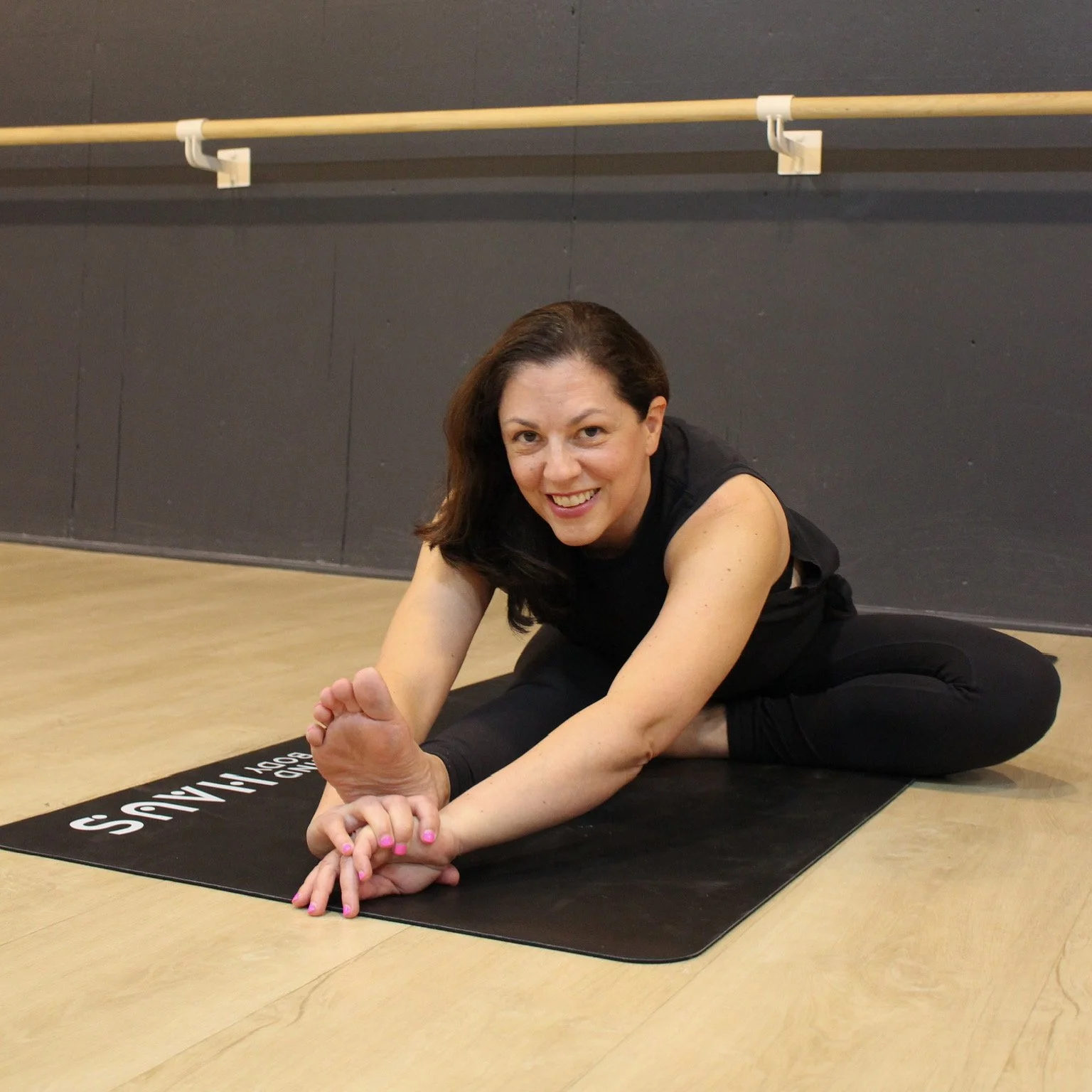
Standing postures, first half of primary, second half of primary, closing postures, repeat. Repeat. REPEAT. The intermediate and advanced postures in Ashtanga are really just deeper, more intense versions of what you’ve built already in primary, so stay in that work. What you don’t want to have happen is to be the student who, two or three years down the line, walks away from Ashtanga because they pushed too hard, and then goes on to tell everyone that they quit because “Ashtanga hurt me”. It happens unfortunately too often.
So how to intelligently grow or deepen your practice while keeping your body and mind healthy at the same time? Here are a few principles that help me. Maybe they’ll help you too:
It’s not a posture grab. It’s a meditation. Stop thinking you have to cross postures off of a list to be a “real yogi” or whatever other validation you think you need. Commitment to daily practice is the goal, whether you make it to Kapotasana or not.
The number one cause of yoga injury is a three-letter word: EGO. Maybe yours, because you pushed too hard trying to impress IDK who, or maybe the teacher’s because the teacher thinks “their” students need to be able to do XYZ pose or whatever. Drop the “need to, have to” approach. Choose self-compassion instead.
The postures are there to serve you. It’s not the other way around.
Advanced postures do not make an advanced yogi. If you’re restless and distracted in postures that are simple for you, guess what? You’ll be restless and distracted in the tougher ones too, where the stakes are higher. Learn to be present in whatever shape your body wants to make that day.
There is no deadline. Some postures will come to you in weeks, others in months, some will take many years. Ideally, your Ashtanga teacher is patient and wants you to be patient too. If you can show up, work intelligently, and feel great at the end of your practice, that’s a good practice.
Create energy don’t destroy it. You’re not there to “leave it all on the mat” at least I hope not! You have a life to live and your Ashtanga practice should GIVE you energy to go be of service to your community and loved ones. Yes, there will be days you’ll want to work harder than others. Ride that wave! But if your yoga practice is stealing energy from you, let’s work together and find a few methods to change that.
Breath, then presence, then depth. In that order. Always.